
February 1, 2025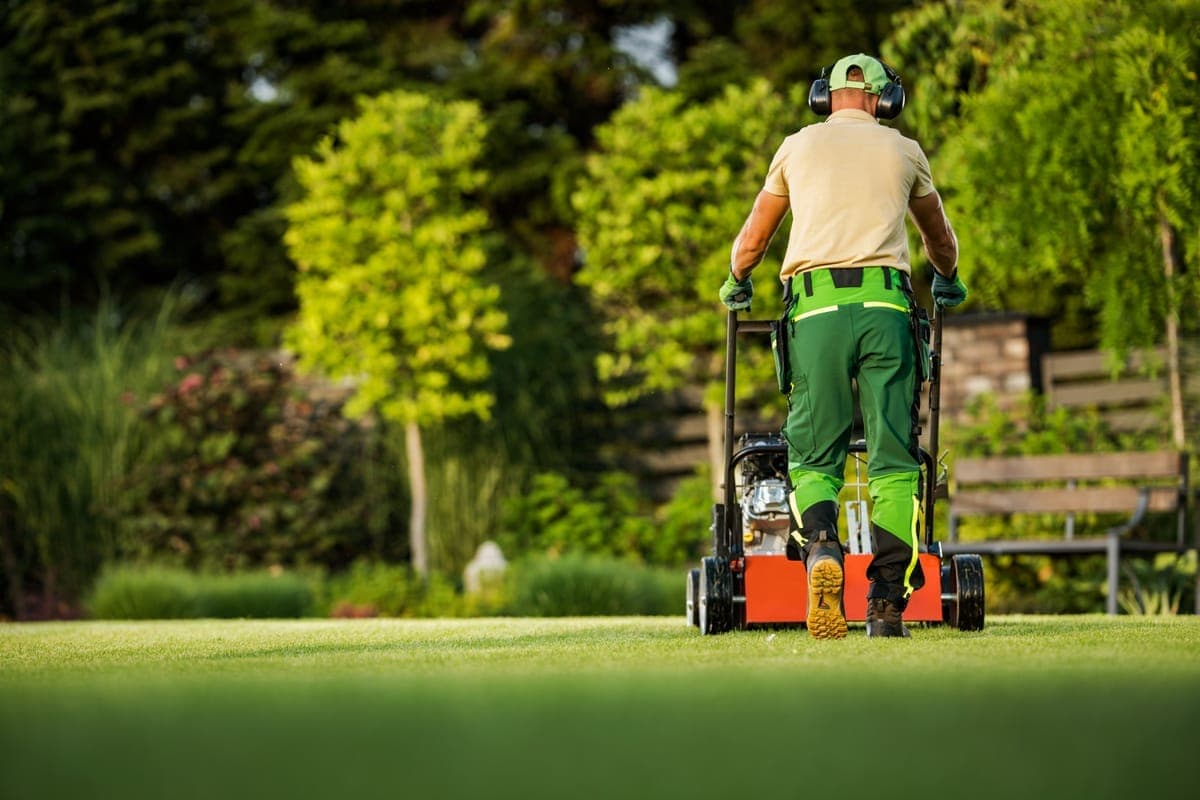
Essential Lawn Care Tips for Beginners
Getting Started with Lawn Care
Whether you've just moved into a new home or you're taking over yard duties for the first time, lawn care can feel overwhelming. But with a few fundamental practices, you can keep your lawn healthy and attractive without spending every weekend working on it.
The Big Three: Mow, Water, Feed
1. Mowing Properly
The single most impactful thing you can do for your lawn is mow correctly:
- Never cut more than one-third of the grass blade at once
- Keep blades sharp — dull blades tear grass, causing brown tips and disease
- Vary your mowing pattern — alternating directions prevents soil compaction and ruts
- Mow when dry — wet grass clumps and cuts unevenly
2. Watering Wisely
More lawns are damaged by overwatering than underwatering. Follow these guidelines:
- Water deeply and infrequently — 1 inch per week is the general target
- Water early morning — between 6-10 AM to reduce evaporation and fungal disease
- Watch for stress signs — grass that doesn't spring back when walked on needs water
- Adjust for rain — skip irrigation after rainfall
3. Feeding Your Lawn
A basic fertilization program makes a huge difference:
- Test your soil first — a $15 soil test tells you exactly what your lawn needs
- Feed in the growing season — spring and fall for cool-season grasses, late spring through summer for warm-season
- Don't over-fertilize — more is not better and can burn your lawn
- Use slow-release fertilizer — provides steady nutrition over weeks
Seasonal Checklist
Spring
- First mow when grass reaches 3-4 inches
- Apply pre-emergent weed control
- Begin regular watering schedule
- Aerate if soil is compacted
Summer
- Raise mowing height during heat stress
- Water deeply in early morning
- Watch for pest activity
- Keep mower blades sharp
Fall
- Lower mowing height gradually
- Overseed thin areas
- Apply fall fertilizer
- Clean up fallen leaves
Winter
- Keep off frozen grass
- Service mower and sharpen blades
- Plan next year's lawn care program
When to Call a Professional
DIY lawn care works great for many homeowners, but consider professional help when:
- Your lawn has persistent bare spots or disease
- Weeds are taking over despite your efforts
- You need soil amendments or aeration
- You simply don't have the time for regular maintenance
That's where we come in. Contact us for a free estimate and let us handle the hard work.